

Luxury Travel Trends: How Airlines and Cruises Are Redefining Premium Experiences
R
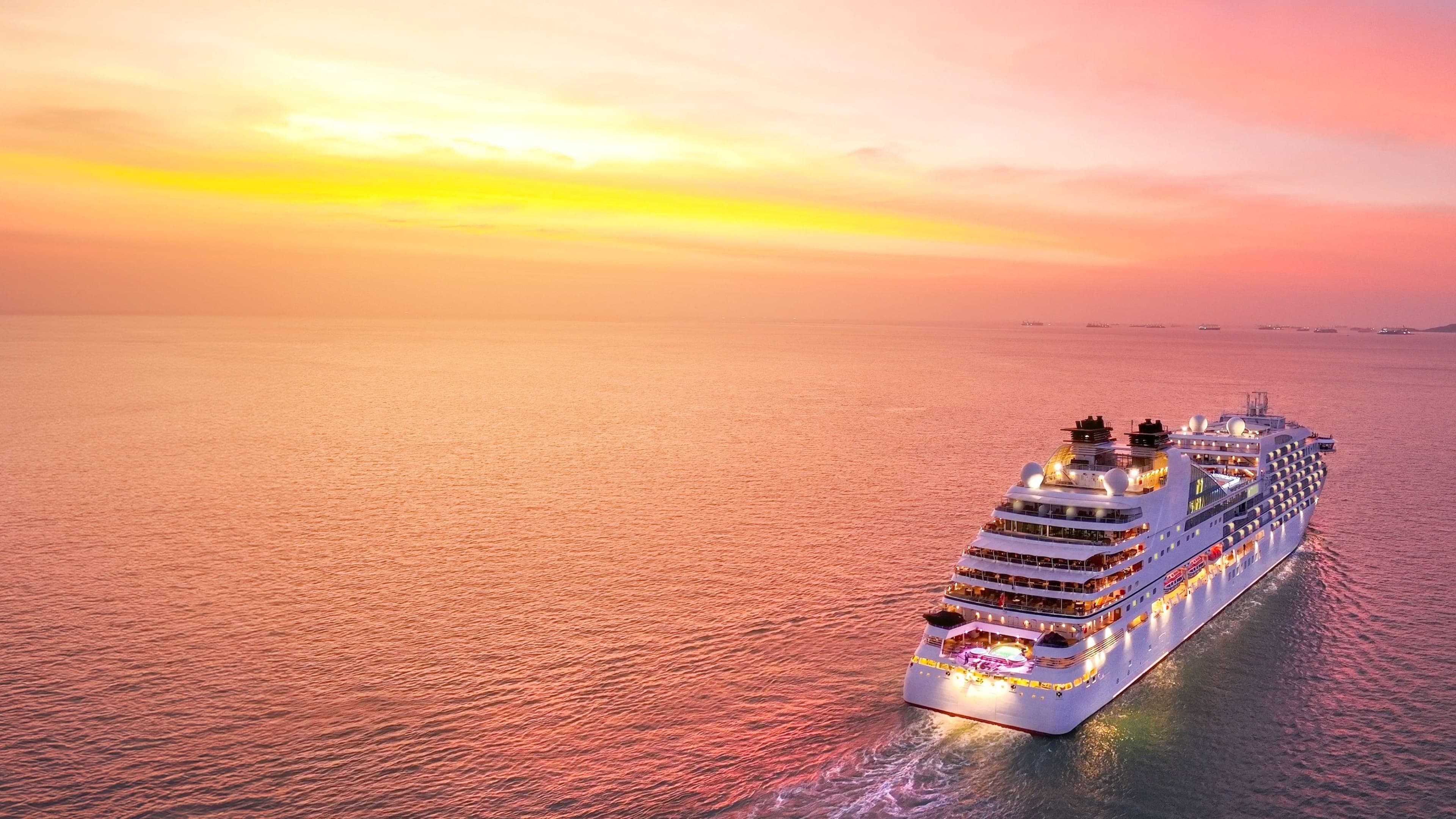
Luxury travel continues to evolve as affluent travelers seek more personalized, exclusive, and meaningful experiences. While luxury tourism has traditionally been associated with five-star hotels and first-class flights, modern travelers are increasingly looking for customized journeys, enhanced comfort, unique destinations, and exceptional service throughout every stage of their trip.
The global luxury travel sector has adapted to changing consumer preferences by focusing on exclusivity, privacy, wellness, sustainability, and technology-driven convenience. Airlines and cruise operators, in particular, have become major contributors to this transformation, introducing innovative services and premium offerings designed to meet the expectations of modern luxury travelers.
The Evolution of Luxury Travel
Luxury travel is no longer defined solely by high spending. Today's travelers often prioritize experiences over material luxury. Personalized itineraries, cultural immersion, wellness retreats, private transportation, and exclusive access to attractions have become key components of premium travel experiences.
The rise of remote work and flexible lifestyles has also influenced luxury travel patterns. Some travelers are combining work and leisure, leading to increased demand for longer stays, premium accommodations, and seamless connectivity.
Travel providers are responding by creating experiences that emphasize comfort, convenience, and personalization while maintaining high standards of service.
Personalization Becomes a Priority
One of the most significant luxury travel trends is the growing focus on personalization. Travelers increasingly expect services tailored to their preferences, interests, and travel history.
Luxury travel providers are using data and customer insights to offer customized dining options, preferred seating arrangements, personalized excursions, and specialized onboard experiences.
From bespoke travel itineraries to personalized wellness programs, customization has become a defining feature of modern luxury tourism.
Premium Airline Experiences Continue to Expand
Airlines play a central role in luxury travel, and many carriers continue to invest heavily in premium cabins and passenger experiences.
First-class and business-class offerings now extend far beyond spacious seating. Travelers increasingly expect private suites, lie-flat beds, premium dining, luxury amenities, and dedicated airport services.
Many airlines have redesigned their premium cabins to provide greater privacy and comfort. Features such as enclosed suites, direct aisle access, enhanced entertainment systems, and personalized service have become important differentiators in the competitive aviation market.
Airport experiences have also evolved. Premium travelers often benefit from exclusive lounges, private check-in areas, expedited security screening, chauffeur services, and dedicated boarding processes designed to reduce travel stress.
Wellness in Air Travel
Wellness has become a growing priority for luxury travelers, and airlines are incorporating health-focused features into their premium offerings.
Many carriers now provide healthier meal options, improved cabin lighting systems, upgraded bedding, and amenities designed to reduce jet lag. Some airlines work with nutritionists and wellness experts to enhance passenger comfort during long-haul flights.
Improved air filtration systems and cabin environments have also become important considerations for travelers seeking healthier travel experiences.
As passenger expectations continue to evolve, wellness-focused innovations are likely to become increasingly common in premium aviation.
Private Aviation Gains Popularity
Private aviation remains a significant segment of the luxury travel market. Travelers seeking maximum flexibility, privacy, and convenience often choose private jet services for business and leisure trips.
Private aviation allows travelers to avoid crowded airports, customize schedules, and access destinations that may not be served by commercial airlines. The sector has also seen growth in shared private flights and membership-based aviation programs that make private travel accessible to a broader range of affluent consumers.
Although private aviation represents a small portion of overall air travel, it continues to influence expectations regarding personalized service and travel convenience.
Luxury Cruises Enter a New Era
The cruise industry has undergone significant transformation in recent years, with luxury cruise operators focusing on smaller ships, exclusive itineraries, and highly personalized service.
Modern luxury cruises emphasize destination experiences as much as onboard amenities. Travelers increasingly seek immersive cultural excursions, expert-led tours, and opportunities to explore remote regions that may be difficult to access through traditional travel methods.
Luxury cruise ships often feature spacious suites, fine dining, wellness facilities, personalized concierge services, and curated entertainment programs.
These offerings appeal to travelers seeking a combination of comfort, exploration, and convenience.
Expedition Cruises Attract Adventure Travelers
One of the fastest-growing segments within luxury cruising is expedition travel. Expedition cruises allow travelers to visit remote and environmentally significant destinations while enjoying premium accommodations and services.
Popular expedition destinations include polar regions, isolated islands, coastal wilderness areas, and biodiversity hotspots. These voyages often feature educational programs led by scientists, historians, naturalists, and local experts.
Travelers are increasingly attracted to experiences that combine adventure, learning, and luxury in a single journey.
Sustainability Shapes Luxury Cruises
Environmental responsibility has become an important consideration for cruise operators. Many companies are investing in technologies designed to improve fuel efficiency, reduce emissions, and minimize waste generation.
New ship designs often incorporate advanced wastewater treatment systems, energy-efficient technologies, and environmental monitoring programs.
Sustainability initiatives are increasingly influencing purchasing decisions among luxury travelers, particularly those seeking responsible tourism experiences.
The cruise industry's efforts to balance environmental stewardship with guest expectations are expected to remain a key focus in the years ahead.
Culinary Experiences Become Major Attractions
Food and beverage experiences have become central components of luxury travel. Airlines and cruise operators are investing in premium dining programs that feature high-quality ingredients, regional cuisine, and diverse menu options.
Luxury cruise ships frequently offer multiple specialty restaurants, chef-led experiences, and destination-inspired culinary programs. Premium airline cabins increasingly feature restaurant-style dining, curated beverage selections, and enhanced meal presentation.
For many travelers, culinary experiences represent an important part of cultural exploration and destination discovery.
Technology Enhances Convenience
Technology continues to improve luxury travel experiences across both aviation and cruising sectors.
Mobile applications, digital concierge services, biometric screening, contactless payments, and personalized travel platforms help streamline travel processes and improve convenience.
Artificial intelligence and data analytics are also helping travel providers better understand customer preferences and deliver more customized services.
While technology enhances efficiency, luxury travelers continue to value personal interaction and attentive service. Successful providers increasingly combine digital convenience with human-centered hospitality.
Emerging Destinations Drive Demand
Luxury travelers are showing growing interest in destinations beyond traditional tourism centers. Remote islands, cultural heritage regions, wilderness areas, and emerging tourism markets are attracting visitors seeking distinctive experiences.
Airlines and cruise operators are responding by expanding route networks and introducing itineraries that connect travelers with less-visited locations.
This trend reflects a broader shift toward experiential travel, where discovery and authenticity are often valued as highly as comfort and luxury.
Looking Ahead
The future of luxury travel will likely be shaped by personalization, sustainability, wellness, and technological innovation. Airlines and cruise operators will continue investing in premium experiences that meet evolving traveler expectations while addressing environmental and operational challenges.
As travelers seek deeper connections with destinations and more meaningful experiences, luxury travel providers are expected to focus increasingly on authenticity, exclusivity, and responsible tourism practices.
Whether through innovative airline services, immersive cruise experiences, or customized travel itineraries, luxury travel continues to evolve beyond traditional definitions of comfort and prestige. The industry's ongoing transformation reflects changing consumer preferences and the growing desire for travel experiences that are both memorable and meaningful.
| Category | Details |
|---|---|
| Topic | Business Travel |
| Author | Rose |
| Published | 17/06/2026 |
| Read Time | Not set |
R
Related Posts

Sustainable Tourism and the Growing Role of Air Tours
LOLondon Ontario Junk Removal Company Junk Ranger Expands Full-Service Cleanout Offerings for Homeowners, Families, and Property Managers