
Latest Economic Trends Shaping the Global Economy in 2026
R

The global economy in 2026 is navigating a period of transformation, uncertainty, and opportunity. Governments, businesses, and consumers are adapting to a rapidly changing economic landscape influenced by technological innovation, geopolitical developments, inflation concerns, energy market fluctuations, and evolving trade relationships. While economic growth continues across many regions, the pace remains uneven, with some countries benefiting from new opportunities while others face significant challenges.
According to recent forecasts from international financial institutions, global economic growth is expected to remain moderate throughout 2026. Although the world economy has avoided a severe recession, concerns about inflation, energy prices, and geopolitical tensions continue to influence market sentiment and investment decisions. The economic outlook reflects both resilience and caution as policymakers work to balance growth with financial stability.
Global Growth Remains Positive but Slower
One of the most significant economic trends in 2026 is slower but steady global growth. Major economies such as the United States, China, and members of the European Union continue to expand, although at a more moderate pace than previously expected. Economists attribute this slowdown to higher borrowing costs, lingering inflationary pressures, and uncertainty surrounding international conflicts and trade policies.
While growth has moderated, consumer spending remains relatively resilient in many countries. Strong labor markets and rising wages have supported household spending, helping businesses maintain revenue growth. However, economists warn that consumer confidence could weaken if inflation remains elevated or if geopolitical tensions escalate further.
Inflation Continues to Influence Economic Policy
Inflation remains a central focus for governments and central banks around the world. Although inflation rates have declined from the peaks experienced in previous years, prices for food, housing, transportation, and energy continue to affect household budgets.
Central banks have maintained a cautious approach toward interest rates. Policymakers are carefully monitoring inflation trends while trying to avoid slowing economic activity too aggressively. In several countries, higher energy prices and supply disruptions have complicated efforts to bring inflation fully under control.
Businesses are also adapting to inflationary conditions by improving efficiency, automating processes, and revising pricing strategies. Many companies are investing in technologies that help reduce operational costs and increase productivity.
Artificial Intelligence Drives Productivity Growth
Artificial intelligence has emerged as one of the most influential economic forces of 2026. Businesses across industries are adopting AI-powered tools to improve decision-making, streamline operations, enhance customer service, and boost productivity.
The integration of AI is transforming sectors such as healthcare, finance, manufacturing, retail, logistics, and education. Organizations are using advanced analytics and automation to reduce costs and improve efficiency, creating new opportunities for growth and innovation.
Economists increasingly view AI as a potential driver of long-term economic expansion. While concerns remain regarding job displacement in some industries, many experts believe AI will create new employment opportunities that require advanced digital skills and technical expertise.
Energy Markets Remain a Key Economic Factor
Energy prices continue to play a major role in shaping economic conditions worldwide. Recent geopolitical tensions and supply concerns have caused fluctuations in oil and natural gas markets, influencing inflation and business costs.
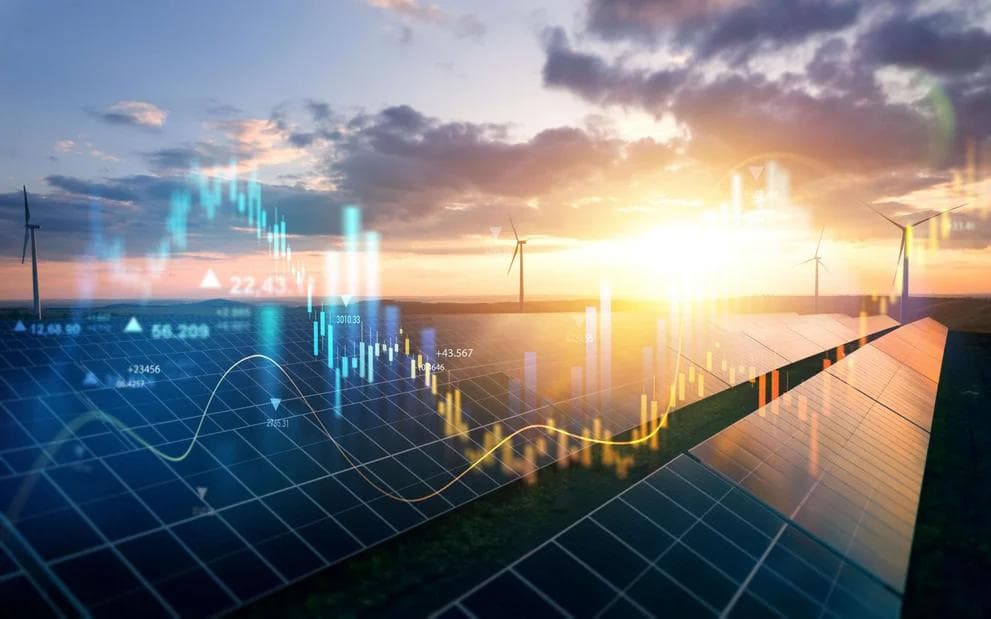
Higher energy prices increase transportation expenses, manufacturing costs, and household utility bills. As a result, governments are working to strengthen energy security and diversify supply sources. Many countries are accelerating investments in renewable energy infrastructure, including solar, wind, and battery storage technologies.
The transition toward cleaner energy is creating new investment opportunities while also generating demand for critical minerals and advanced manufacturing capabilities. Energy policy has become closely connected to economic strategy as nations seek to balance sustainability goals with affordability and reliability.
Global Trade Continues to Evolve
International trade patterns are undergoing significant changes in 2026. Businesses are diversifying supply chains and reducing dependence on single-source suppliers to improve resilience against disruptions.
Many companies are adopting regional production strategies, bringing manufacturing closer to major consumer markets. This trend, often referred to as supply chain diversification, aims to reduce risks associated with geopolitical tensions, transportation bottlenecks, and regulatory uncertainty.
Digital trade is also expanding rapidly. E-commerce, cloud computing, and digital services continue to grow, allowing businesses to reach customers worldwide more efficiently than ever before. Cross-border digital transactions have become an increasingly important component of global economic activity.
Investment Trends Shift Toward Technology and Infrastructure
Investors are increasingly directing capital toward technology, infrastructure, and sustainability-related projects. Governments are launching major infrastructure initiatives to improve transportation networks, energy systems, and digital connectivity.
Private-sector investment in artificial intelligence, semiconductor manufacturing, cybersecurity, and renewable energy remains strong. These sectors are viewed as critical to future economic competitiveness and national security.
At the same time, financial markets continue to respond to interest rate expectations, inflation data, and geopolitical developments. Investors are closely monitoring central bank policies and economic indicators when making portfolio decisions.
Labor Markets Adapt to New Economic Realities
Employment trends continue to evolve as businesses adopt new technologies and workplace models. Demand remains strong for workers with skills in software development, data analysis, cybersecurity, engineering, healthcare, and artificial intelligence.
Remote and hybrid work arrangements remain common in many industries, giving employees greater flexibility while enabling companies to access broader talent pools. However, employers are also investing in workforce training programs to help employees adapt to technological changes.
Skills development and lifelong learning have become essential priorities for workers seeking to remain competitive in a rapidly changing labor market. Governments and educational institutions are expanding training initiatives focused on digital and technical competencies.
Consumer Behavior Is Changing
Consumers in 2026 are making purchasing decisions more carefully due to ongoing economic uncertainty. Many households are prioritizing value, affordability, and quality when buying goods and services.
Digital shopping continues to grow, supported by improvements in payment systems, logistics, and personalized marketing technologies. Consumers are also showing increased interest in sustainable products and environmentally responsible brands.
Companies are responding by enhancing customer experiences, improving product transparency, and offering flexible purchasing options. Businesses that effectively understand changing consumer preferences are gaining a competitive advantage.
Regional Economic Outlooks Differ
Economic performance varies significantly across regions. Some emerging markets continue to experience robust growth due to strong domestic demand, favorable demographics, and investment inflows. Meanwhile, several advanced economies face slower expansion due to aging populations, higher debt levels, and weaker productivity growth.
Asia remains one of the fastest-growing regions globally, supported by manufacturing, technology investment, and consumer spending. Europe faces challenges related to energy costs and slower growth, while North America continues to benefit from technological innovation and resilient consumer demand.
Looking Ahead
As 2026 progresses, the global economy stands at an important crossroads. Opportunities created by artificial intelligence, digital transformation, and renewable energy development have the potential to drive future prosperity. However, challenges such as inflation, geopolitical tensions, energy market volatility, and supply chain disruptions continue to require careful management.
Businesses, governments, and investors are adapting to a world where flexibility, innovation, and resilience have become critical economic advantages. While uncertainty remains, the underlying trends shaping the global economy suggest that technological progress and strategic investment will play increasingly important roles in determining future growth.
The year 2026 may ultimately be remembered as a period when economies around the world accelerated their transition toward a more digital, sustainable, and interconnected future. Those who successfully embrace these changes will be best positioned to thrive in the evolving global economic landscape.
| Category | Details |
|---|---|
| Topic | Economy |
| Author | Rose |
| Published | 20/06/2026 |
| Read Time | Not set |
R