The Future of Work: What Experts Predict for Tomorrow
R
The workplace is undergoing one of the most significant transformations in modern history. Advances in technology, changing employee expectations, globalization, and evolving business models are reshaping how people work and how organizations operate. What once seemed like distant possibilities—remote work, artificial intelligence-powered assistants, virtual collaboration, and flexible work arrangements—have rapidly become part of everyday business life.
As organizations prepare for the future, experts predict that the workplace of tomorrow will be more digital, flexible, intelligent, and employee-focused than ever before. While some traditional jobs may evolve or disappear, new opportunities are expected to emerge, creating a dynamic and rapidly changing employment landscape.
Understanding these trends can help businesses, professionals, and students prepare for a future where adaptability and continuous learning are essential for success.
Artificial Intelligence Will Become a Workplace Partner
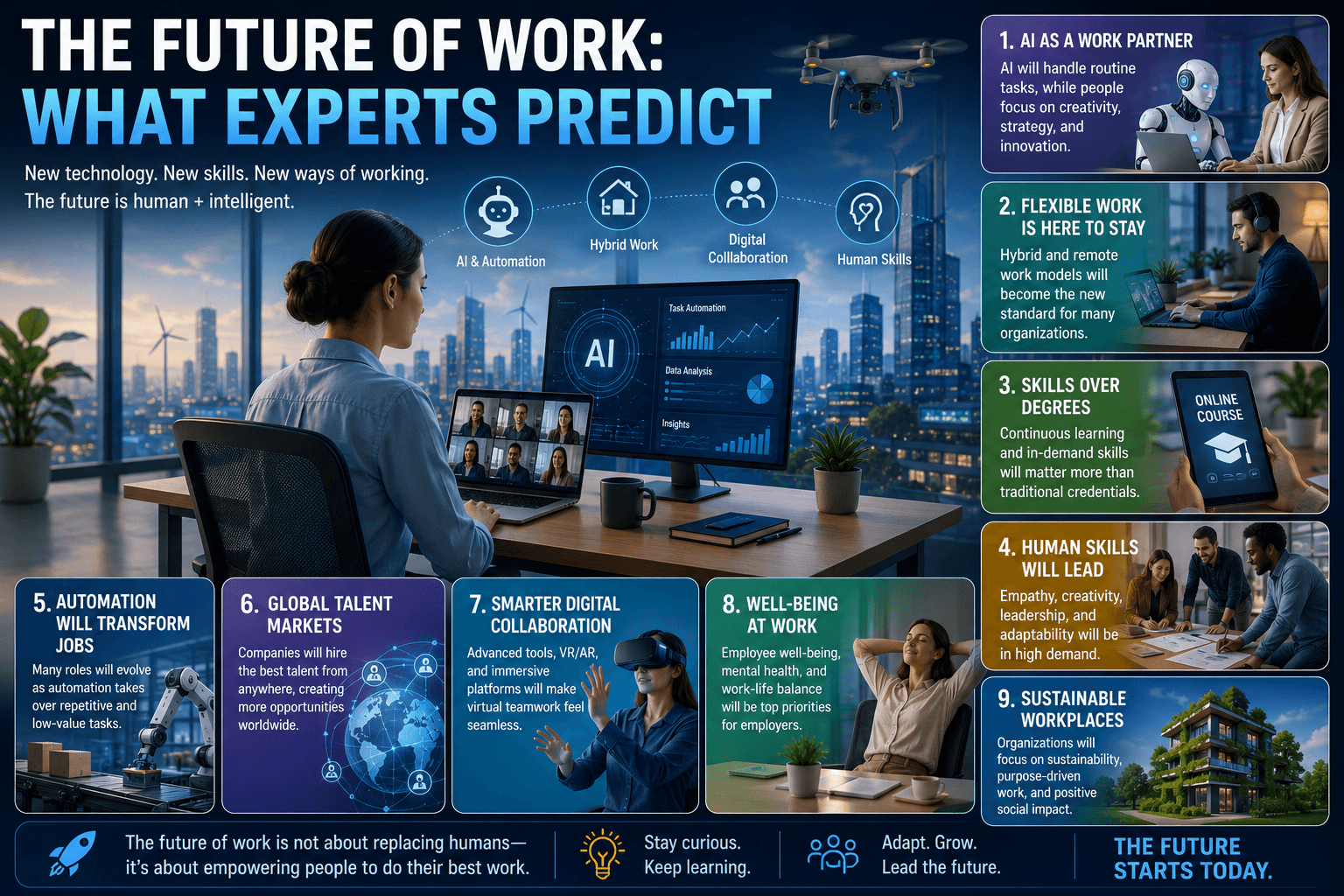
Artificial intelligence (AI) is expected to play a central role in the future of work. Rather than replacing all human workers, experts predict that AI will increasingly function as a workplace partner, helping employees perform tasks more efficiently.
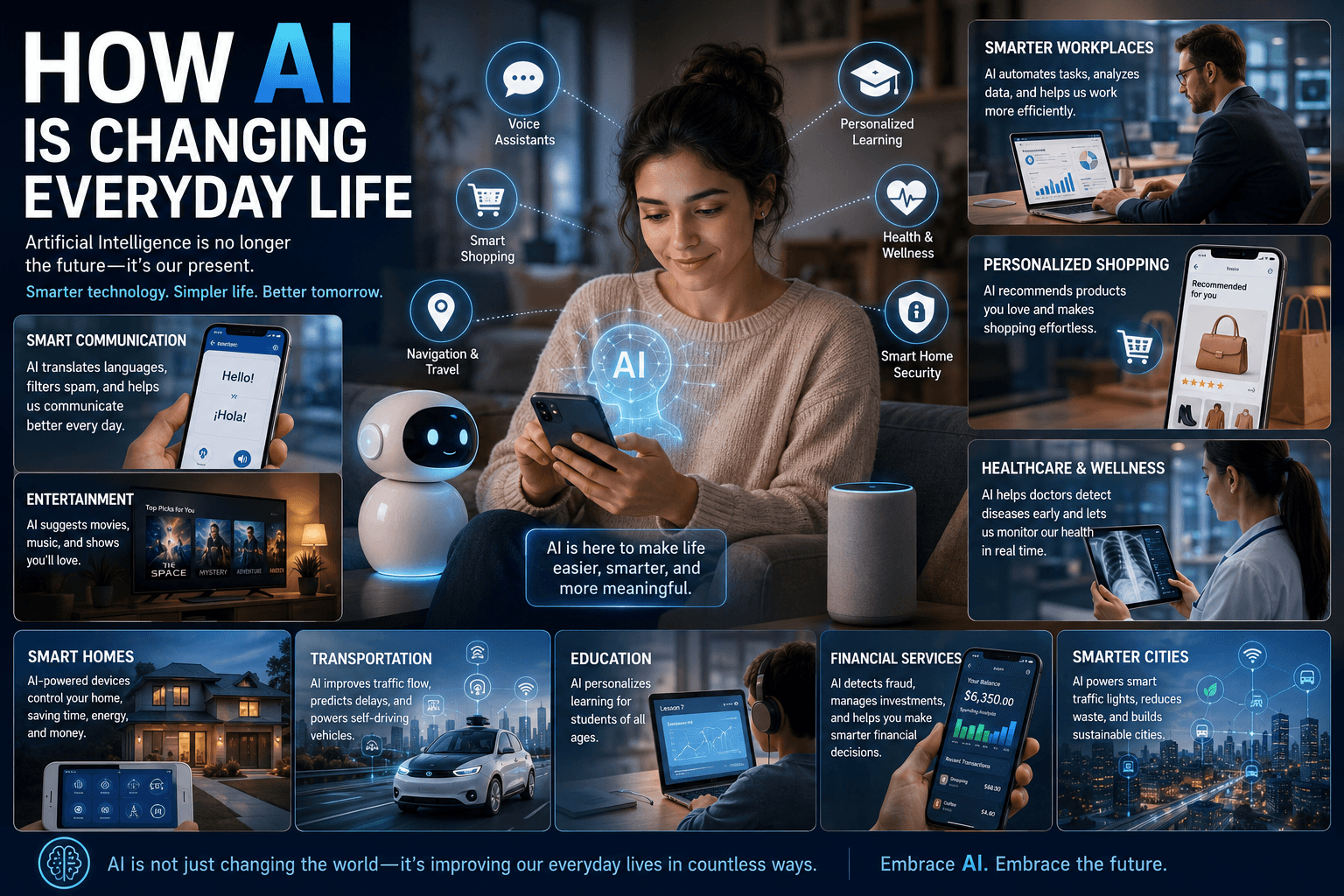
AI-powered systems can analyze large amounts of data, automate repetitive processes, generate reports, assist with research, and support decision-making. Professionals in fields such as marketing, finance, healthcare, education, and customer service are already benefiting from these capabilities.
Future AI tools may become even more advanced, helping workers manage schedules, prioritize tasks, and solve complex problems. By handling routine responsibilities, AI can allow employees to focus on creativity, innovation, strategic thinking, and relationship-building.
Organizations that successfully integrate AI into their operations are likely to gain significant productivity advantages while creating new opportunities for workforce development.
Remote and Hybrid Work Models Will Continue Growing
One of the most noticeable workplace shifts in recent years has been the rise of remote and hybrid work arrangements. Experts believe this trend will continue well into the future.
Many employees now value flexibility as much as salary and benefits. Businesses are increasingly recognizing that allowing employees to work remotely or through hybrid schedules can improve job satisfaction, productivity, and talent retention.
Advanced communication technologies, cloud computing platforms, and collaboration tools make it possible for teams to work effectively from different locations. Virtual meetings, project management systems, and digital workspaces have become standard business tools.
While some organizations may maintain traditional office environments, many are expected to adopt flexible workplace models that combine remote work with in-person collaboration.
Continuous Learning Will Become Essential
The rapid pace of technological change means that skills can become outdated more quickly than ever before. Experts predict that lifelong learning will become one of the most important aspects of career success.
Professionals will need to regularly update their knowledge and acquire new skills to remain competitive in the job market. Businesses are increasingly investing in employee training programs, online learning platforms, and professional development initiatives.
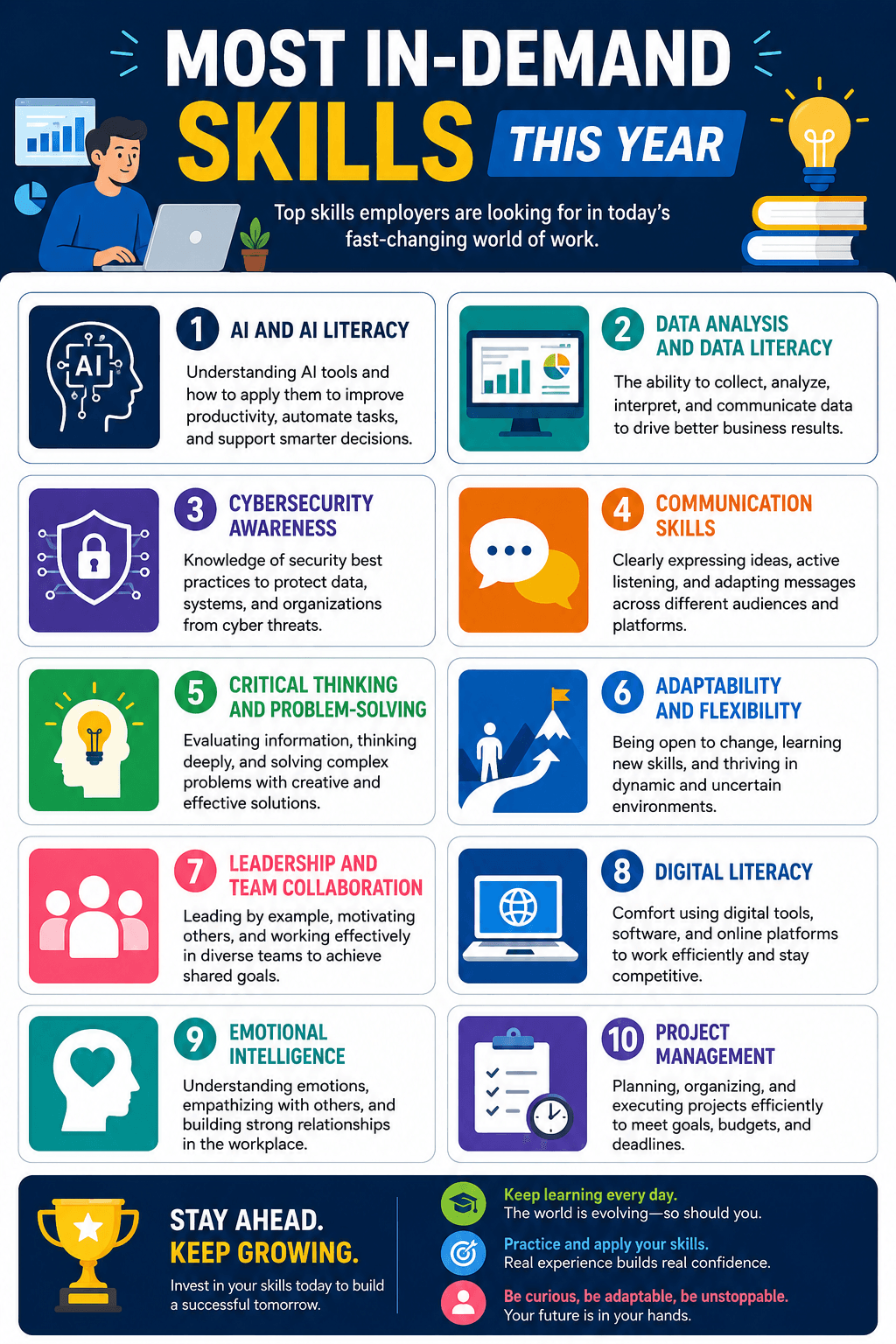
Skills related to artificial intelligence, data analysis, cybersecurity, digital communication, project management, and critical thinking are expected to be particularly valuable.
Educational institutions may also adapt their programs to emphasize flexibility, practical experience, and ongoing skill development. The future workforce will likely view learning as a continuous process rather than something completed after graduation.
Demand for Human Skills Will Increase
Despite advances in automation and artificial intelligence, experts emphasize that uniquely human abilities will remain highly valuable.
Skills such as creativity, emotional intelligence, leadership, communication, collaboration, adaptability, and problem-solving cannot easily be replicated by machines. As technology handles more routine tasks, organizations will increasingly depend on employees who can think strategically, build relationships, and navigate complex situations.
Managers and leaders will need strong interpersonal skills to guide diverse teams and foster positive workplace cultures. Employees who combine technical expertise with strong human-centered skills are expected to have a significant advantage in the future job market.
The ability to work effectively with both people and technology will become a key professional asset.
Automation Will Transform Job Roles
Automation is expected to continue changing the nature of work across many industries. Routine and repetitive tasks in manufacturing, logistics, administration, and customer service may increasingly be handled by automated systems and intelligent software.
However, experts predict that automation will not simply eliminate jobs. Instead, many roles will evolve, requiring workers to manage, supervise, and collaborate with advanced technologies.
For example, factory employees may oversee robotic systems, while customer service professionals focus on handling complex customer issues that require empathy and critical thinking.
Organizations that invest in employee reskilling and workforce development will be better positioned to manage these transitions successfully.
Global Talent Markets Will Expand
Technology is removing geographical barriers in hiring and employment. Companies can now recruit talent from around the world, creating access to a larger and more diverse workforce.
Experts predict that global talent markets will continue expanding as remote work becomes more common. Businesses will have greater flexibility in finding specialized skills regardless of location.
For employees, this trend creates new opportunities to work for organizations in different countries without relocating. Professionals with strong digital communication skills and international experience may benefit significantly from this shift.
At the same time, increased global competition may encourage workers to continuously improve their skills and maintain professional relevance.
Digital Collaboration Will Become More Advanced
Future workplaces are expected to rely heavily on digital collaboration tools that support communication, productivity, and teamwork.
Video conferencing platforms, cloud-based workspaces, project management systems, and real-time document collaboration tools have already transformed how teams work together. Experts predict that these technologies will become even more sophisticated.
Emerging technologies such as virtual reality (VR) and augmented reality (AR) may create immersive digital work environments where employees can collaborate as if they were physically present in the same location.
These innovations could improve remote teamwork, employee training, product development, and customer engagement.
Employee Well-Being Will Receive Greater Attention
Organizations increasingly recognize that employee well-being is closely connected to productivity, engagement, and retention. Experts predict that workplace wellness will become a major priority in the future.
Companies may invest more in mental health resources, flexible work schedules, wellness programs, and supportive workplace cultures. Technology may also play a role by helping employees manage workloads, monitor stress levels, and maintain healthy work-life balance.
Future employers are expected to focus not only on performance but also on creating environments where employees can thrive personally and professionally.
Businesses that prioritize well-being may gain competitive advantages in attracting and retaining top talent.
Sustainability Will Influence Workplace Strategies
Environmental sustainability is becoming increasingly important for organizations worldwide. Experts predict that future workplaces will place greater emphasis on sustainable practices and responsible business operations.
Companies may adopt energy-efficient technologies, reduce office waste, encourage remote work to lower commuting emissions, and implement environmentally conscious supply chain strategies.
Employees, investors, and consumers are increasingly paying attention to corporate sustainability efforts. Organizations that demonstrate commitment to environmental responsibility may strengthen their reputation and long-term competitiveness.
The future of work is likely to align closely with broader sustainability goals and environmental initiatives.
Leadership Will Continue to Evolve
The workplace of the future will require new approaches to leadership. Traditional management styles focused on direct supervision may become less effective in increasingly digital and distributed work environments.
Experts predict that successful leaders will focus on trust, communication, empathy, adaptability, and collaboration. Managing remote teams, supporting employee well-being, and guiding organizations through technological change will become critical leadership responsibilities.
Future leaders will also need to understand emerging technologies and their impact on business operations. Those who can balance innovation with human-centered management are likely to achieve the greatest success.
Looking Ahead
The future of work promises both exciting opportunities and significant challenges. Advances in artificial intelligence, automation, digital collaboration, and workplace flexibility are transforming how organizations operate and how people build their careers.
While technology will continue reshaping industries, human skills such as creativity, leadership, communication, and adaptability will remain essential. Continuous learning, workforce development, and employee well-being are expected to become central priorities for both businesses and professionals.
Experts agree that the most successful organizations and individuals will be those who embrace change, invest in innovation, and remain adaptable in an increasingly dynamic world. The future workplace may look very different from today's environment, but it also offers unprecedented opportunities for growth, collaboration, and success.
| Category | Details |
|---|---|
| Topic | AI |
| Author | Rose |
| Published | 19/06/2026 |
| Read Time | Not set |
R