Top Technology Trends Expected to Transform 2027 Globally
R
Technology continues to reshape the world at an extraordinary pace, influencing how people work, communicate, travel, learn, and conduct business. As innovation accelerates, 2027 is expected to be a landmark year for several emerging technologies that are moving from experimental stages into mainstream adoption. From artificial intelligence and advanced robotics to sustainable energy and next-generation connectivity, the coming years are likely to bring transformative changes across industries and societies.
Experts predict that technology in 2027 will not only improve efficiency and productivity but also redefine customer experiences, create new business opportunities, and address some of the world's most pressing challenges. Understanding these trends can help businesses, governments, and individuals prepare for the future.
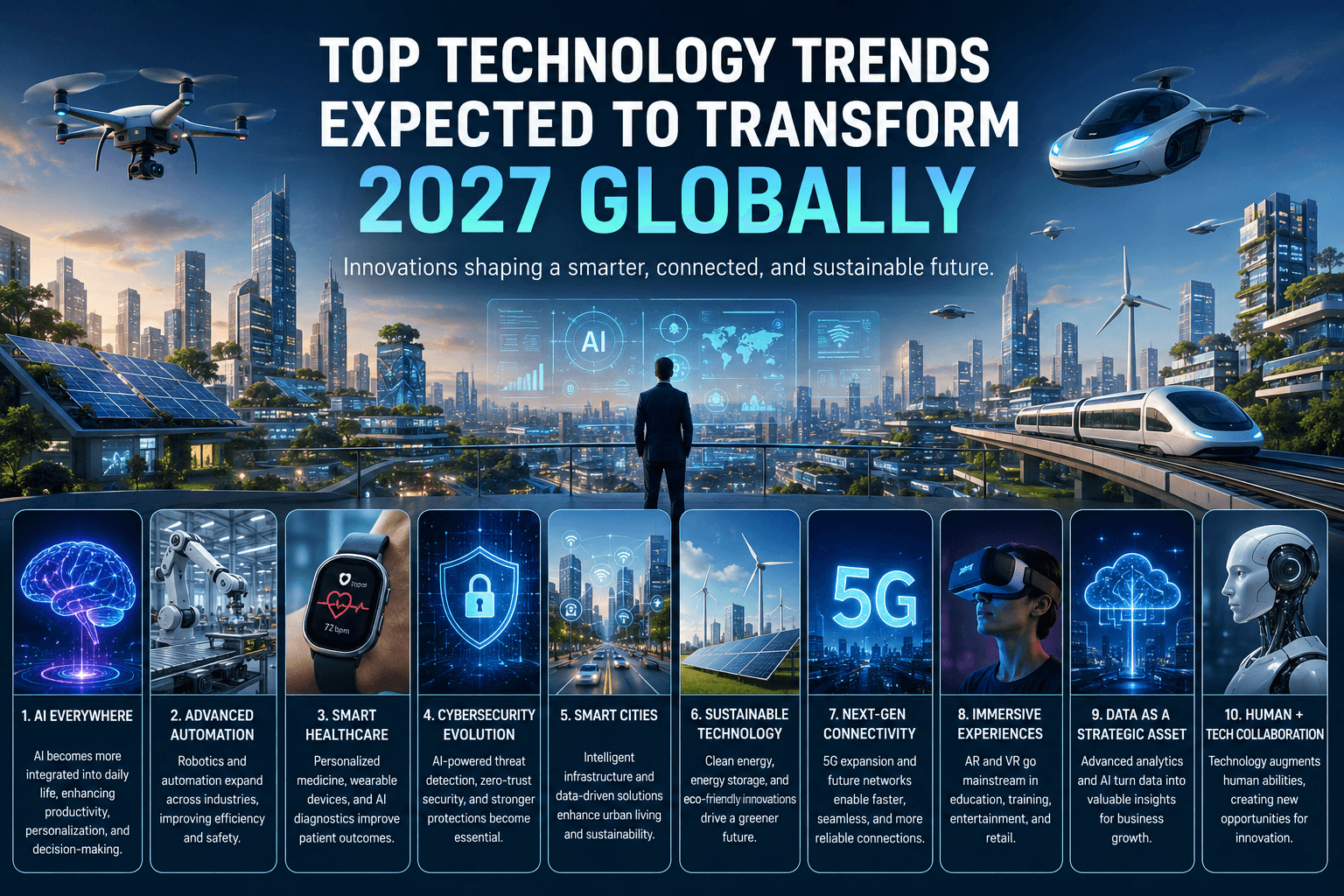
Artificial Intelligence Will Become More Integrated Into Daily Life
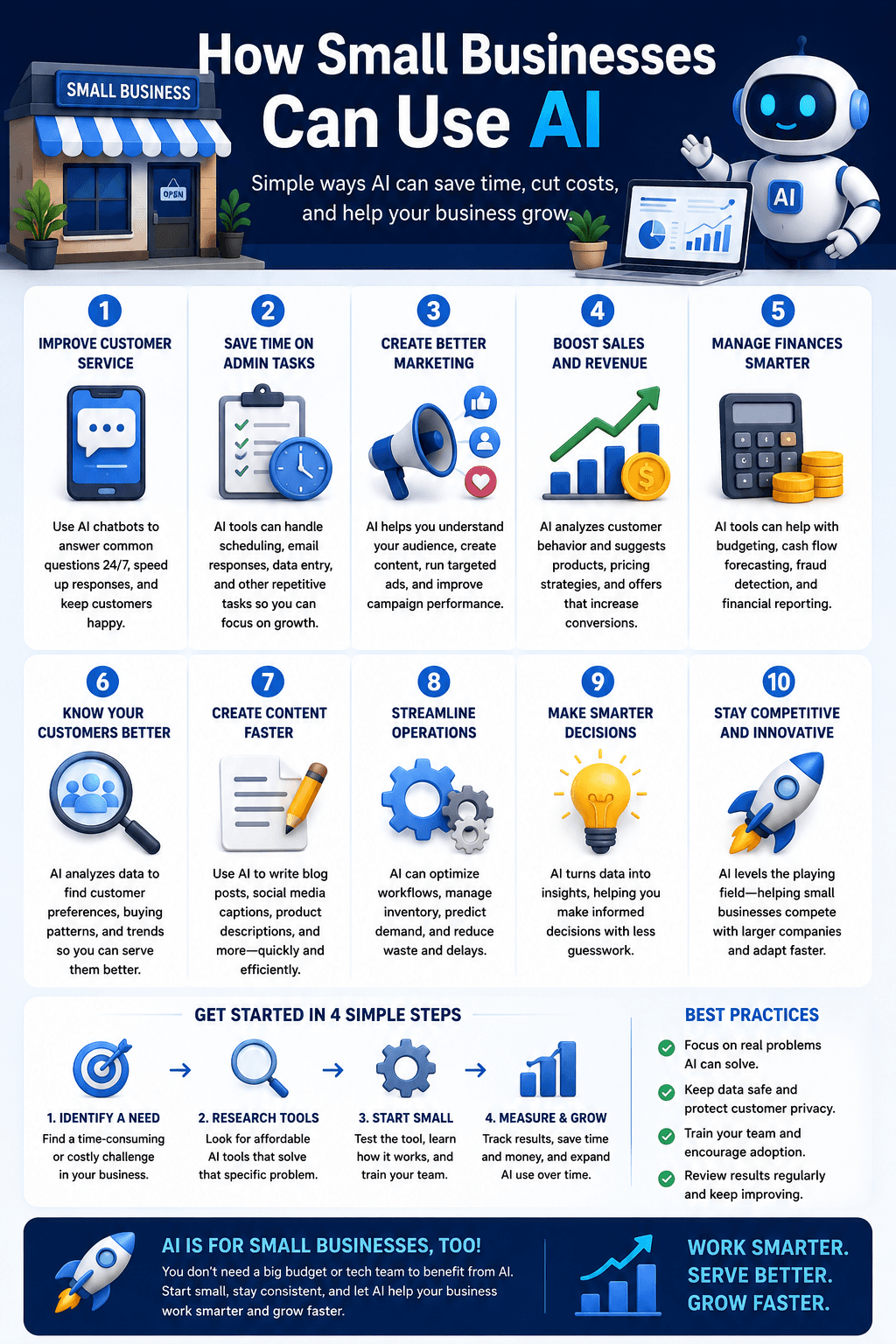
Artificial intelligence (AI) is expected to remain one of the most influential technologies in 2027. While AI is already widely used in content creation, customer support, data analysis, and automation, future systems are predicted to become even more capable and personalized.
Businesses will increasingly use AI-powered tools to streamline operations, analyze large datasets, and improve decision-making. Consumers may rely on intelligent digital assistants that understand context, preferences, and long-term goals. These assistants could help manage schedules, recommend products, support learning, and simplify complex tasks.
AI is also expected to play a larger role in healthcare, education, transportation, and financial services. As adoption grows, organizations will continue developing ethical guidelines and transparency standards to ensure responsible use of the technology.
Automation and Robotics Will Expand Across Industries
Automation is expected to advance significantly by 2027, driven by improvements in robotics, machine learning, and sensor technologies. Businesses seeking greater efficiency and accuracy will increasingly deploy automated systems in manufacturing, logistics, agriculture, and construction.
Modern warehouses may rely on fleets of intelligent robots to manage inventory, package products, and coordinate deliveries. In agriculture, autonomous equipment could help farmers monitor crops, optimize irrigation, and improve yields while reducing waste.
Construction firms are also exploring robotic systems capable of performing repetitive or hazardous tasks, improving both productivity and workplace safety. Rather than replacing workers entirely, many experts predict that automation will shift human roles toward supervision, problem-solving, and specialized technical work.
The Rise of Personalized Healthcare Technologies
Healthcare is undergoing a digital transformation, and by 2027 technology is expected to make medical care more personalized and accessible. Wearable devices will likely become more advanced, continuously monitoring vital signs and providing real-time health insights.
Artificial intelligence may assist healthcare professionals by analyzing patient data, identifying patterns, and supporting earlier diagnoses. Personalized treatment plans based on genetics, lifestyle, and medical history could become increasingly common.
Telemedicine services are also expected to grow, allowing patients to consult healthcare providers remotely. Digital platforms may improve communication between patients and medical professionals, helping reduce wait times and increase convenience.
The combination of AI, wearable technology, and remote healthcare solutions has the potential to improve outcomes while making healthcare services more efficient.
Cybersecurity Will Become More Important Than Ever
As businesses and individuals become increasingly connected, cybersecurity is expected to remain a major priority in 2027. The growing use of cloud computing, connected devices, and digital services creates new opportunities for cyber threats.
Organizations are likely to invest heavily in advanced security technologies capable of detecting and responding to threats in real time. AI-powered cybersecurity systems may help identify suspicious activities before they cause significant damage.
At the same time, cybercriminals may use sophisticated technologies to launch more complex attacks, creating an ongoing challenge for security professionals. Multi-factor authentication, biometric security, encryption, and zero-trust security frameworks are expected to become standard practices across many industries.
Protecting digital infrastructure will remain critical as technology becomes increasingly embedded in everyday life.
Smart Cities Will Continue to Evolve
Urban populations continue to grow, increasing the demand for efficient and sustainable city management. By 2027, smart city technologies are expected to play a larger role in improving transportation, public services, and resource management.
Cities may use connected sensors and data analytics to optimize traffic flow, reduce congestion, and improve public transportation systems. Smart lighting, intelligent waste management, and energy-efficient infrastructure could help municipalities lower costs while reducing environmental impact.
Governments are also likely to invest in digital platforms that improve communication with residents and provide easier access to public services. These innovations aim to create safer, cleaner, and more efficient urban environments.
Sustainable Technology Will Drive Innovation
Sustainability is becoming a major focus for governments, businesses, and consumers worldwide. By 2027, technology designed to reduce environmental impact is expected to gain significant momentum.
Renewable energy solutions such as solar and wind power will continue expanding, supported by advances in energy storage and smart grid technologies. Businesses may increasingly adopt energy-efficient systems to reduce costs and meet sustainability goals.
Innovations in recycling, waste reduction, and resource management are also expected to improve. Companies are likely to prioritize environmentally responsible manufacturing processes and sustainable supply chains.
As climate concerns remain a global challenge, sustainable technology will play a critical role in supporting long-term economic and environmental goals.
Next-Generation Connectivity Will Transform Digital Experiences
The expansion of high-speed connectivity will continue shaping the future of technology. By 2027, advanced wireless networks and improved internet infrastructure are expected to enable faster and more reliable digital experiences.
Enhanced connectivity will support the growth of smart devices, autonomous systems, and real-time applications. Businesses may use advanced networks to improve operations, enable remote collaboration, and support emerging technologies such as augmented reality and virtual reality.
Consumers will benefit from faster streaming, improved online services, and seamless communication across devices. Reliable connectivity will remain essential as digital transformation accelerates across industries.
Augmented and Virtual Reality Will Gain Wider Adoption
Augmented reality (AR) and virtual reality (VR) technologies are expected to become more mainstream by 2027. Improvements in hardware, software, and connectivity will make immersive experiences more accessible and practical.
Businesses may use AR and VR for employee training, product demonstrations, design collaboration, and customer engagement. Educational institutions could adopt immersive learning environments that make complex subjects easier to understand.
The entertainment industry is also likely to expand its use of immersive technologies, offering new experiences for gaming, events, and digital content consumption. As costs decrease and capabilities improve, AR and VR could become valuable tools for both businesses and consumers.
Data Will Become an Even More Valuable Asset
Organizations generate vast amounts of data every day, and by 2027 the ability to analyze and utilize this information effectively will be a major competitive advantage.
Advanced analytics platforms and AI-driven tools will help businesses uncover insights, identify trends, and make informed decisions. Companies that successfully leverage data may improve customer experiences, optimize operations, and identify new growth opportunities.
However, increased data usage will also raise concerns about privacy and governance. Businesses will need strong policies to ensure data is collected, stored, and used responsibly while complying with evolving regulations.
Preparing for the Future
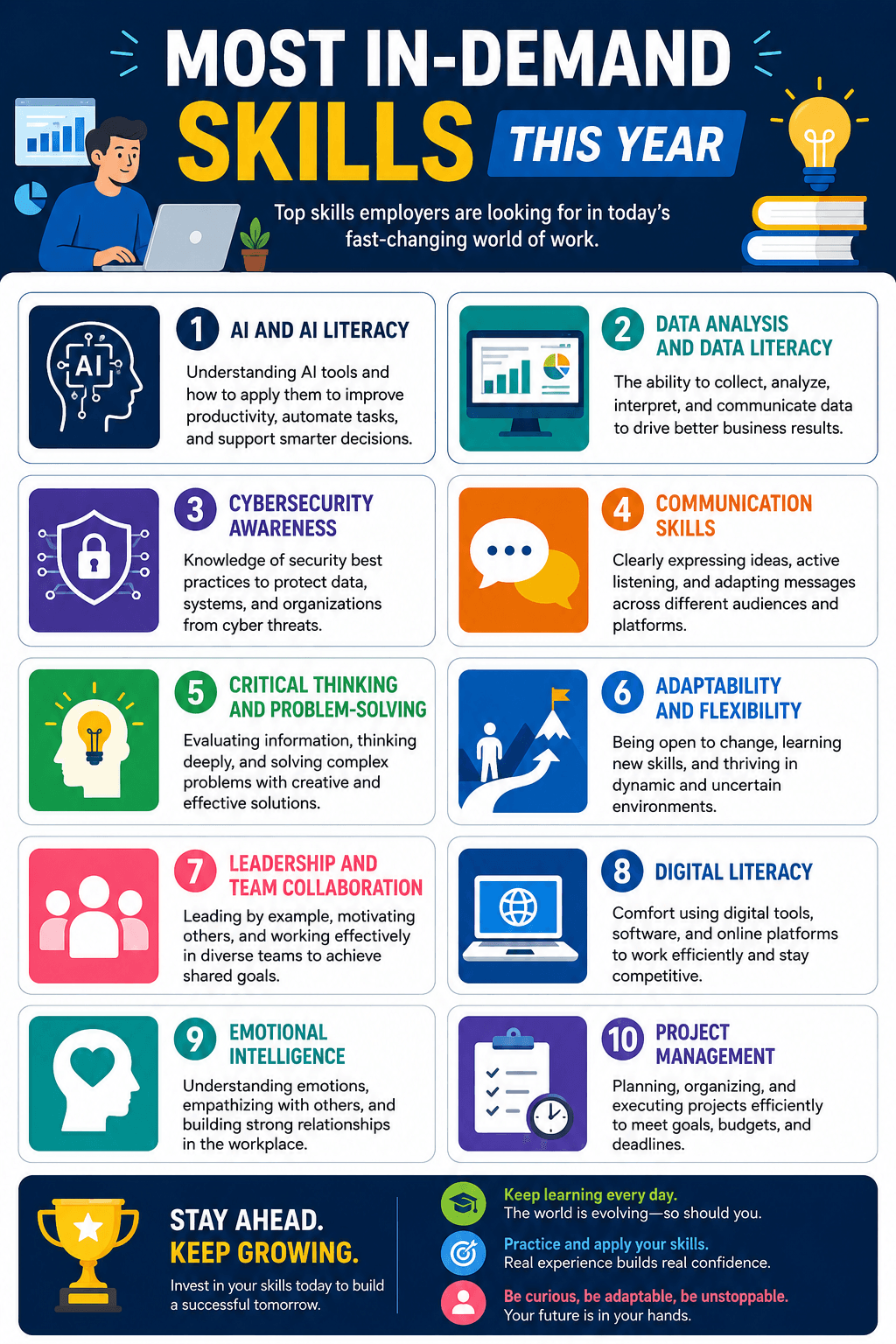
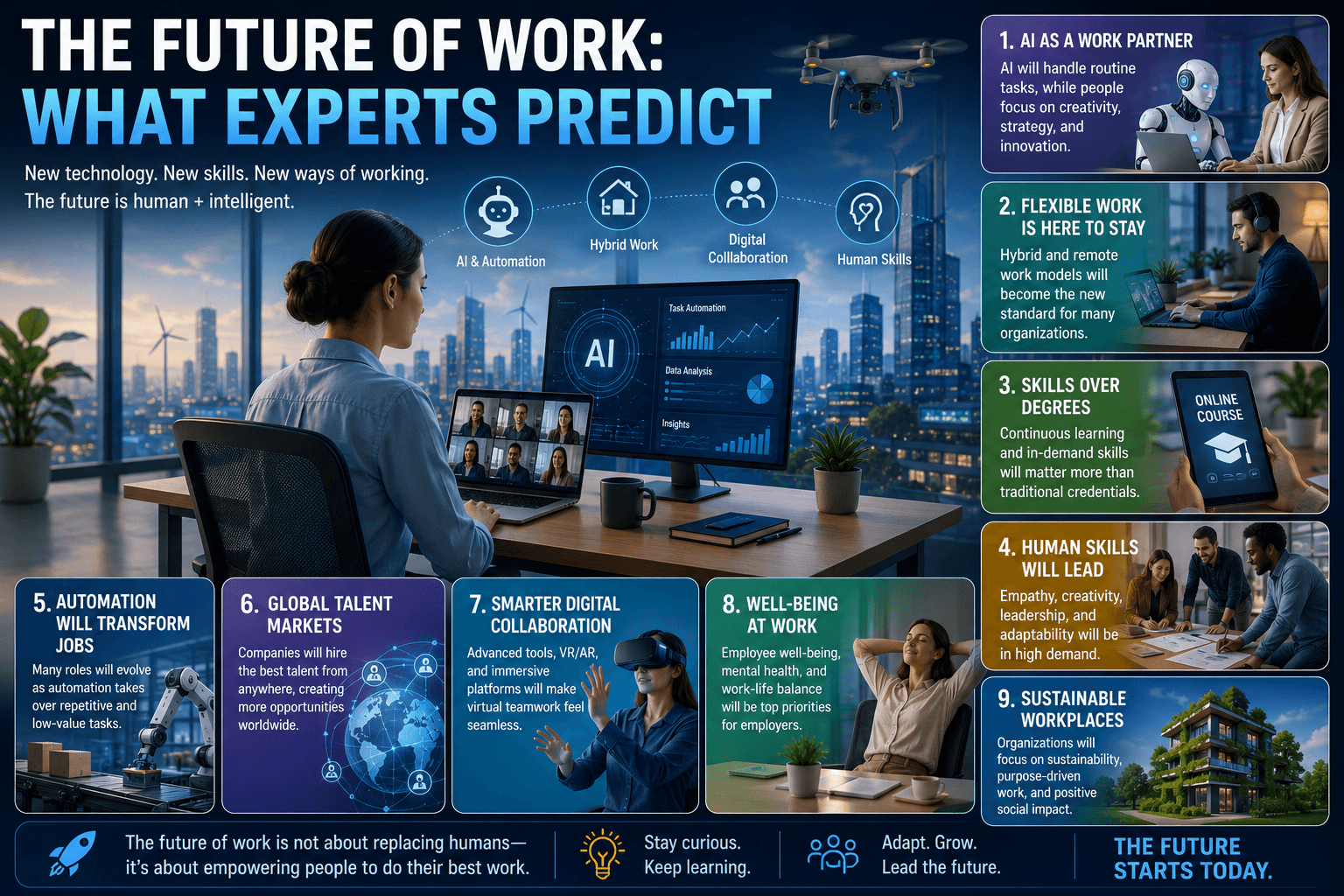
The technology landscape of 2027 is expected to be shaped by rapid innovation, greater connectivity, and increased reliance on intelligent systems. Artificial intelligence, automation, cybersecurity, sustainable technologies, and immersive digital experiences are likely to influence nearly every aspect of modern life.
While challenges related to privacy, ethics, and workforce adaptation will remain important considerations, the overall outlook is one of opportunity and transformation. Organizations that embrace innovation and invest in future-ready strategies will be better positioned to thrive in an increasingly digital world.
As technology continues to evolve, the coming years promise exciting developments that could redefine industries, improve quality of life, and create new possibilities for businesses and consumers around the globe.
| Category | Details |
|---|---|
| Topic | Technology |
| Author | Rose |
| Published | 19/06/2026 |
| Read Time | Not set |
R